What Matters
May 2025 Issue
No Place Like Om
This May, What Matters dives deep into the East’s most enduring philosophies and how they’re reshaping the spaces we live in now. From Japandi’s tranquil merge of function and form, to the gilded echoes of modern Chinoiserie, and all the way to the spatial poise of Hanok and the cosmic clarity of Vastu, we explore how ancient design principles are getting a distinctly modern refresh. Whether you’re craving balance, boldness, or just better flow, these global perspectives are anything but decorative; they’re foundational.
ZEN AND NOW
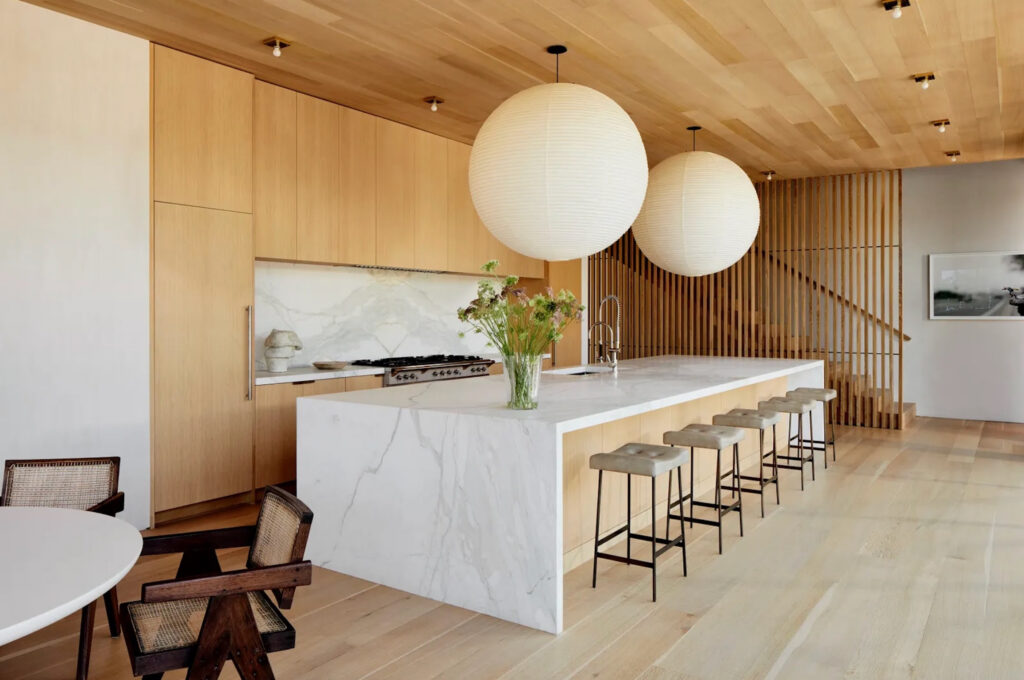
Japandi is the fusion of Japanese and Scandinavian design philosophies, blending the wabi-sabi appreciation for imperfection with the hygge emphasis on coziness. This style is characterized by clean lines, neutral color palettes, and natural materials like wood and stone, creating minimalist and inviting interiors. The design emphasizes functionality, sustainability, and a deep connection to nature, resulting in spaces that are as purposeful as beautiful.
EAST SIDE STORY
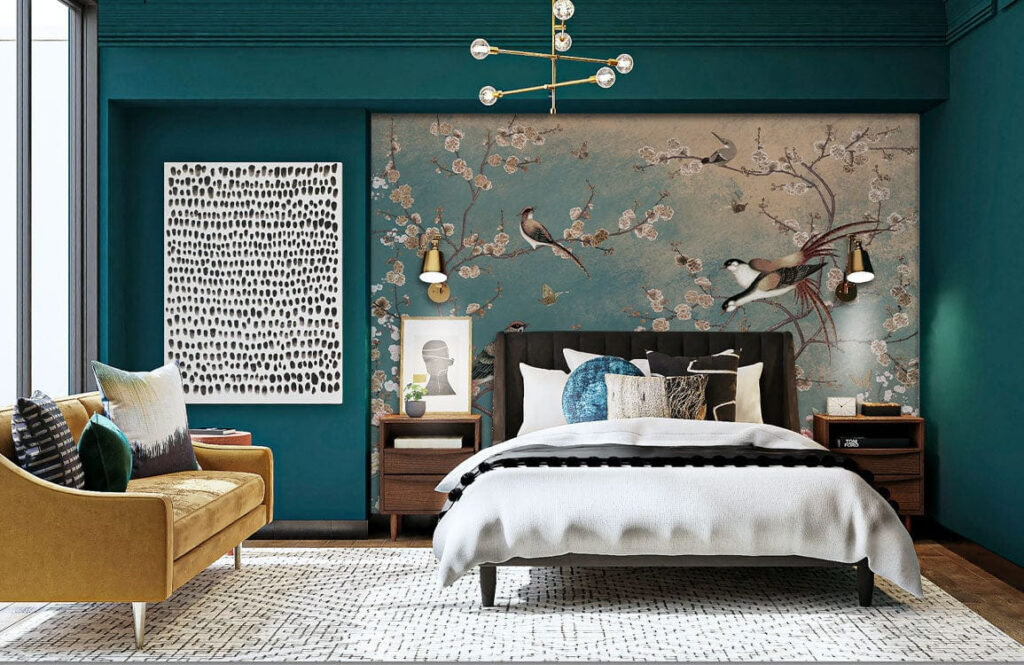
Chinoiserie in modern design is more than just aesthetics; it’s an ongoing dialogue between cultures, eras, and artistic expression. By weaving the intricate beauty of Eastern motifs into contemporary design principles, it produces spaces that feel historically rich yet refreshingly current. Today’s interpretations strike a thoughtful balance—hand-painted wallpapers depicting birds, florals, and pagodas are set against minimalist backdrops, allowing each style to enhance the other. This fusion extends beyond walls, as antique furnishings and ornate details are thoughtfully paired with clean, modern forms to create curated, timeless, and deeply layered interiors.
A LINE WITH TRADITION
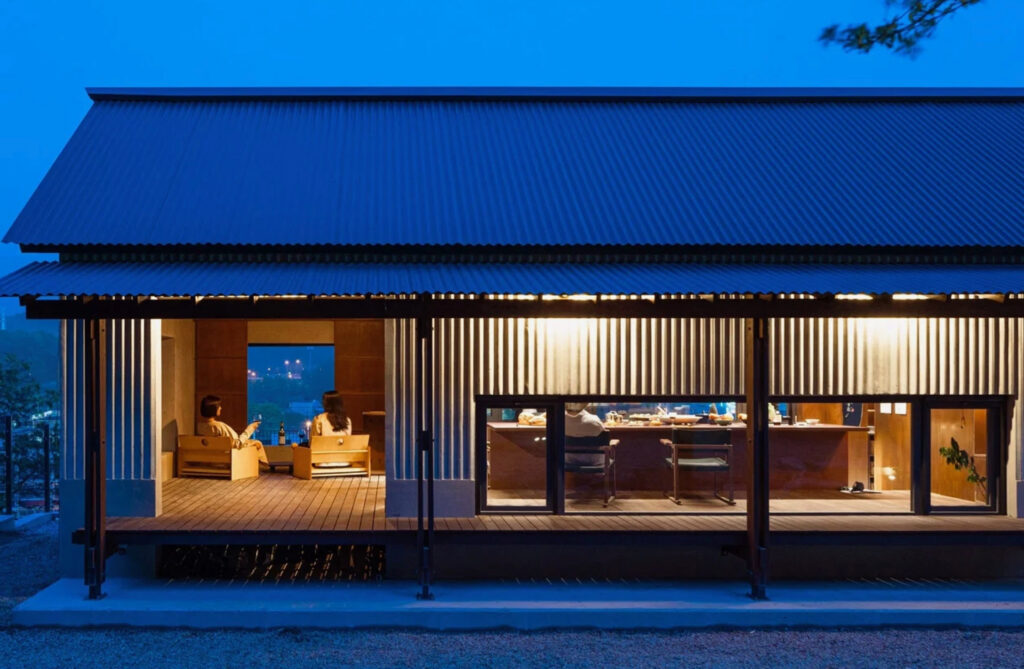
In modern interiors, these traditional Korean concepts are gaining fresh relevance. Hanok, the classic wooden house with its signature curved rooflines and ondol-heated floors, offers a masterclass in spatial warmth and natural harmony. Jeonggan, the modular grid system used in Korean music and architecture, brings a rhythm and logic to spatial organization that feels surprisingly modern. Together, they’re reshaping design narratives: light-filled layouts, sliding wooden doors, and a devotion to balance that reads as both ancient and forward-thinking. Organic, orderly, and beautifully alive.
GO WITH THE THE FLOW
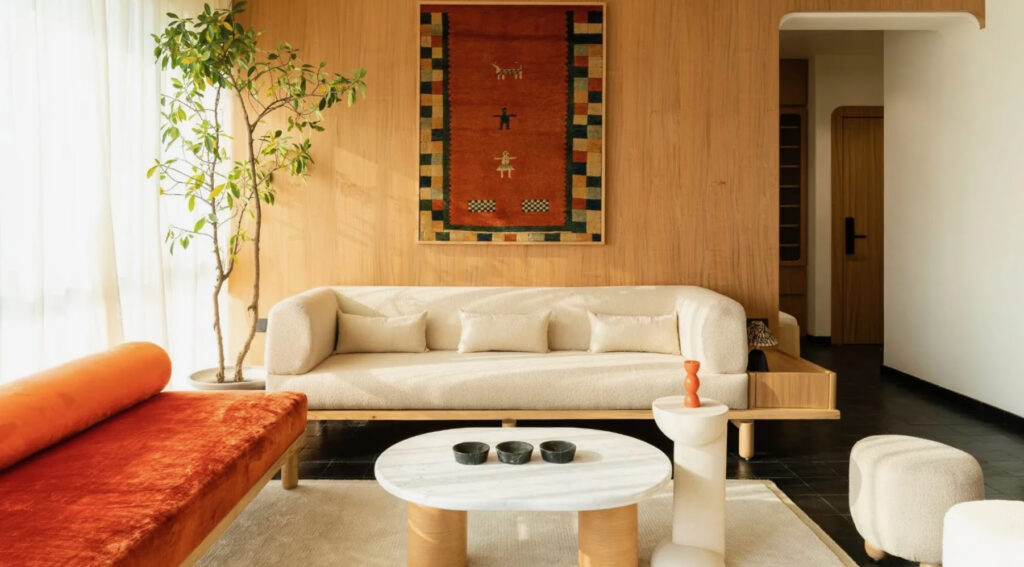
In modern interior design, ancient wisdom makes a graceful comeback, and Vastu Shastrais leading the charge with its cosmic compass and earthy elegance. This Indian architectural philosophy, rooted in directional energy and natural elements, translates surprisingly well to contemporary spaces. Today’s designers use Vastu as a framework, placing kitchens in the southeast for fire energy, bedrooms in the southwest for stability, and entrances facing east or north to invite positivity. Natural materials like wood, stone, and cotton take center stage, while color palettes align with directional intentions. Calming blues for the northeast and grounding earth tones for the southwest. It’s less about replicating temples and more about creating balance: open layouts, intentional furniture placement, and energy flow that just feels right. Vastu in modern design gives your home a higher frequency vibe.