What Matters
February 2026 Issue
Afterglow
In February, light does the heavy lifting. As evenings linger and daylight feels precious, the way our homes are lit begins to shape how we feel, move, and rest. This issue looks at lighting not as a technical problem to solve, but as a design language—one that relies on restraint, rhythm, and intention.
We explore how thoughtful lighting creates atmosphere after dark, how new tunable technologies are changing what’s possible, and how small, practical choices can dramatically improve everyday spaces. We also spotlight a historic Sears Kit Home, where layered light and materials bring warmth to a thoughtfully modernized family home.
AFTERGLOW
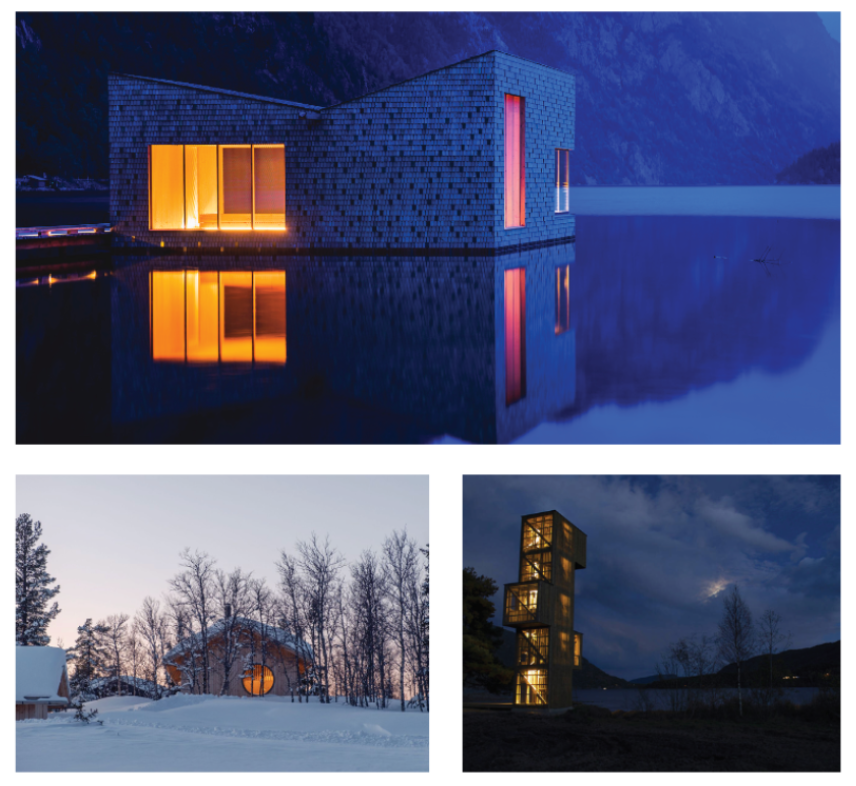
The most successful interiors don’t announce themselves after sunset—they settle in. Designers increasingly treat lighting as a form of discipline: less about brightness, more about control. Architectural projects featured across ArchDaily show how layered, directional light creates intimacy, depth, and calm, allowing rooms to feel complete rather than merely illuminated. The goal isn’t to erase shadow, but to place it—letting contrast do the emotional work.
As lighting technology advances, the opportunity is no longer technical but editorial. Knowing where not to light has become as important as choosing fixtures. Rooms designed with afterglow in mind feel held in the evening, supporting conversation, rest, and pause once the workday ends. ArchDaily — Lighting Design
How to make it your own: Dim first. Turn off overheads after dark and rely on fewer, lower light sources to see how much light a room actually needs.
THE RIGHT LIGHT
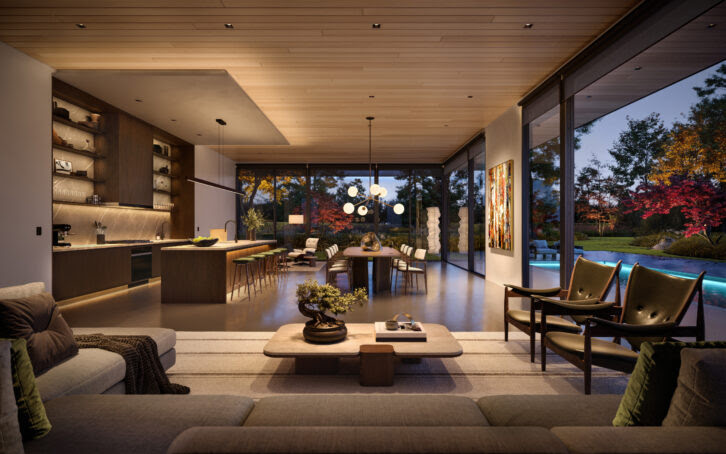
Tunable lighting systems like Lutron’s Ketra are reshaping how designers think about interiors across the day. As Architectural Digest has noted, circadian-aware lighting—once reserved for institutional or experimental spaces—is now entering high-end residential design as part of a broader wellness movement. These systems allow color temperature and intensity to shift naturally, supporting focus in the morning and rest at night.
Technology alone, however, doesn’t guarantee comfort. Without careful fixture placement, glare control, and layering, even the smartest system can feel flat or over-programmed. When used with restraint, tunable light supports the architecture rather than competing with it—and the room feels intuitive instead of managed. Architectural Digest — Interior Design Trends Shaping the Future
How to make it your own: If a full system feels like overkill, start with warm-to-cool bulbs or smart lamps in bedrooms and living spaces to support daily rhythms.
BRIGHT IDEAS
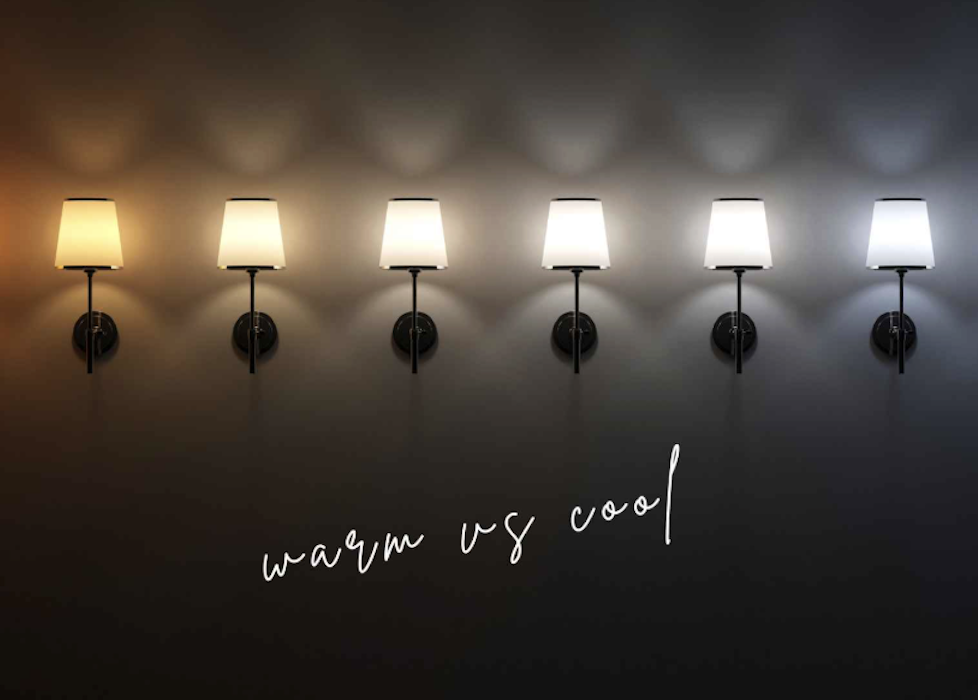
Most lighting mistakes don’t require a renovation to fix—they start with the bulb. Recent writing in Technology Designer underscores how color temperature directly affects comfort, mood, and perception. Cooler light can feel alerting or harsh at night, while warmer tones allow rooms to relax into evening use.
Designers increasingly approach lighting as a composition: multiple sources at different heights, each with a clear role. Table lamps, wall sconces, and shaded fixtures soften spaces in ways overhead lighting never can. When a room feels “off” after dark, it’s often not the furniture—it’s the light. Technology Designer — Designing with Tunable White Lighting
How to make it your own: Aim for at least three light sources per room, all dimmable, and keep evening bulbs at 2700K or warmer.
LET THERE BE LESS
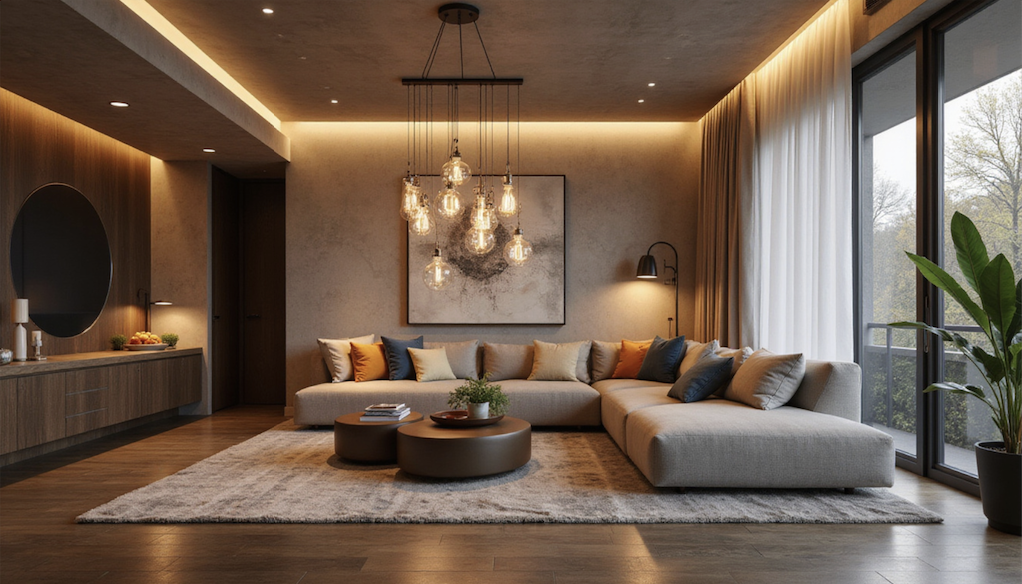
Walk into a well-designed lighting showroom or exhibition space and one thing becomes immediately clear: contrast matters. Recent essays in Blue Door Magazine describe how light has become a primary architectural material—used to guide movement, establish hierarchy, and create emotional cadence within a space. Not everything is lit equally, and that imbalance is intentional.
These environments remind us that good lighting is experiential. It directs attention, creates pauses, and gives rooms depth. Whether through advanced systems or simple, well-placed fixtures, light shapes how a space is felt, not just how it is seen. Blue Door Magazine — How Lighting Became the New Architecture
How to make it your own: Highlight one surface or corner per room and allow the rest to fall quietly into shadow.
PROJECT SPOTLIGHT: SEARS KIT HOME
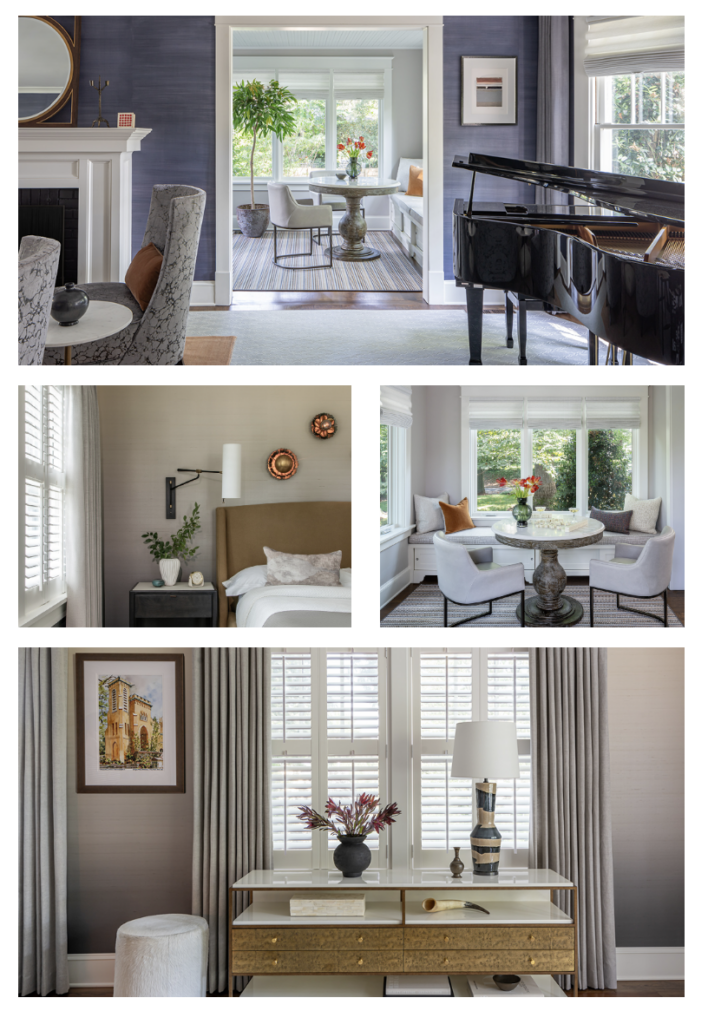
Originally sold by Sears in the 1930s, this DC home was thoughtfully modernized and expanded by Barnes Vanze Architects, with its street-facing facade left intentionally unchanged. Inside, Interior Matter layered furniture, textiles, and window treatments throughout most rooms to bring warmth and sophistication to a family home designed for both parents and kids.
Light plays a quiet but essential role here—daylight softened through thoughtful furnishings by day, and layered artificial light that makes evenings feel calm and lived-in. The result is a home that honors its history while feeling tuned into modern life, especially after dark. More photos here