What Matters
January 2026 Issue
Hygge
Happy 2026 Everyone!
January invites us to slow down. When the days are short and the world outside feels spare, home takes on a different role — as shelter, and as a source of warmth, comfort, and renewal. The Danish idea of hygge captures this instinct perfectly: creating spaces that support ease, presence, and everyday rituals that make winter not just bearable, but quietly pleasurable.
In this issue, we explore how design can soften the season — from interiors shaped by light, fire, rituals, and material to kitchens that become modern hearths and bedrooms designed for deep rest. We also spotlight IM Baywatch, a Chesapeake Bay retreat where firelight, views, and thoughtful layering turn a large home into a place made for gathering. Wherever you find yourself this winter, we hope these stories offer inspiration for making home feel warmer, calmer, and more human.
HYGGE, WITHOUT THE FLUFF
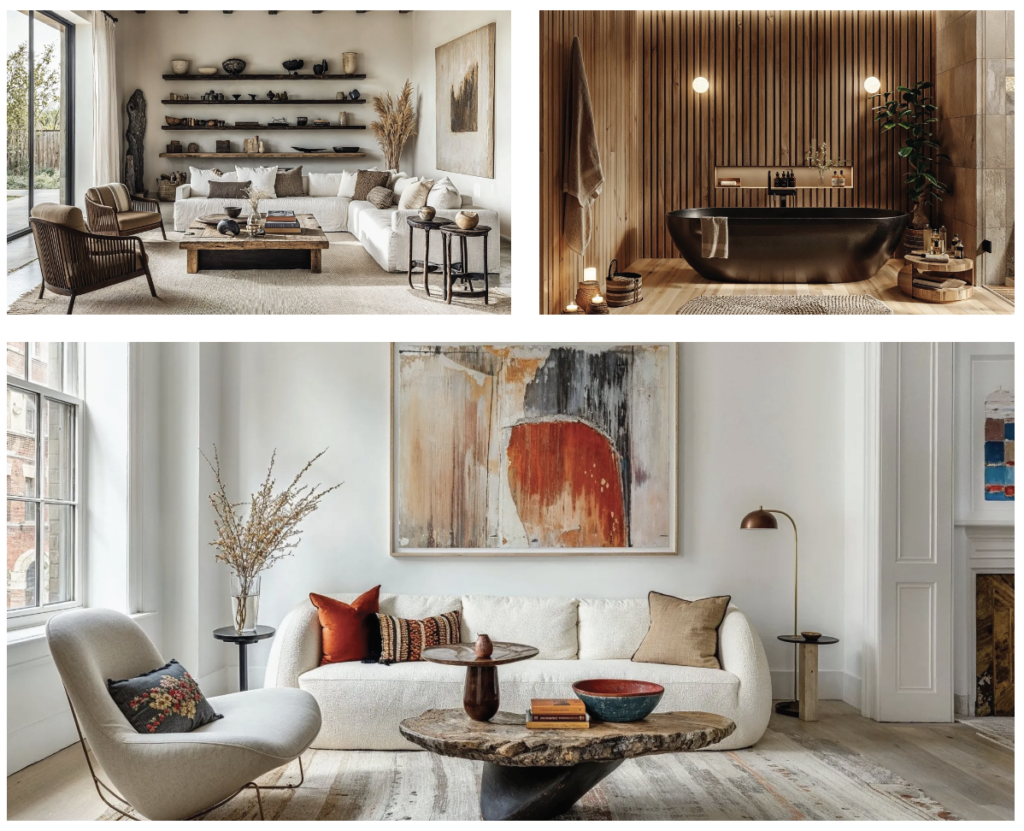
Hygge (pronounced hoo-gah) is the Danish idea of creating comfort, warmth, and well-being through everyday moments — especially when the days are short and the cold settles in. It isn’t about styling tricks or seasonal props, but about shaping daily life to slow the body down: warm, layered light; natural materials that invite touch; and rooms designed for togetherness as much as retreat. Scandinavian spaces achieve this not through excess, but through restraint — editing back to what genuinely supports comfort and presence. The result isn’t decoration; it’s atmosphere. And in January, atmosphere is everything. From Decorilla — What Is Hygge Interior Design?
How to make it your own: Start by subtracting—remove glare, visual noise, and unnecessary contrast before adding anything “cozy.”
BRING THE FIRE IN
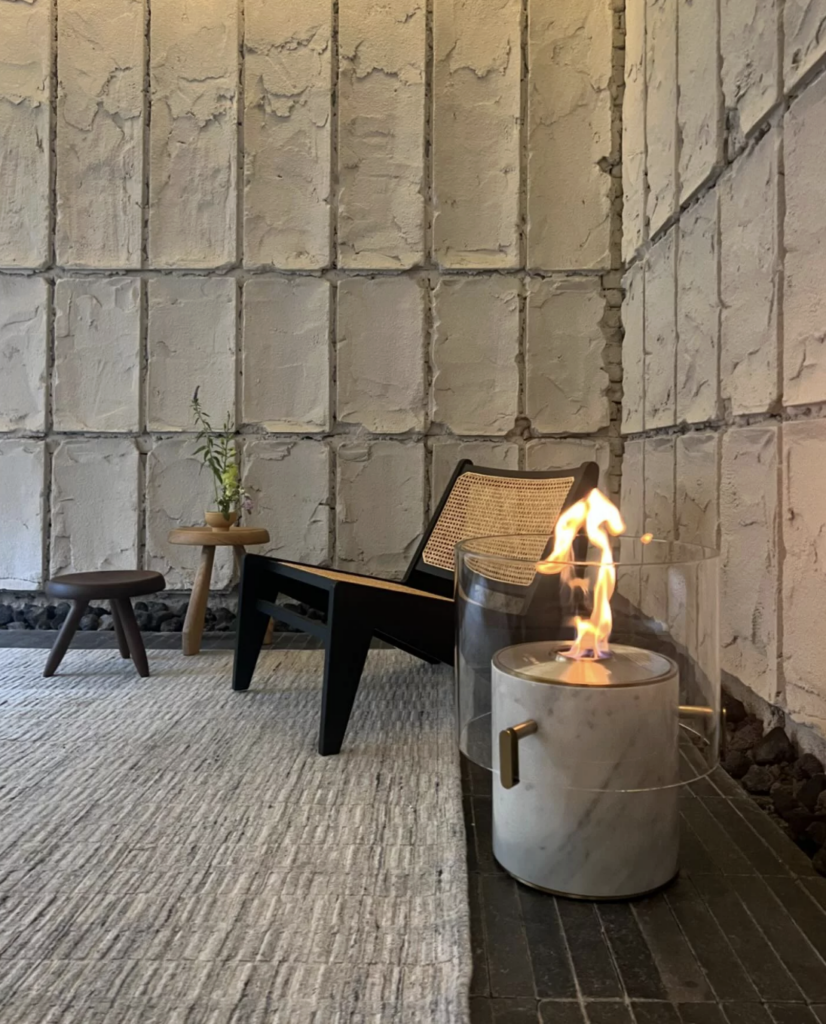
Fire has always been a marker of comfort, and today’s bioethanol fireplaces are bringing that elemental glow into contemporary interiors. Sculptural and vent-free, they offer real flame without chimneys or major construction, allowing designers to place warmth exactly where it’s needed. Brands like EcoSmart Fire show how ethanol fireplaces can feel organic and inviting when styled with stone, fireballs, or softened architectural surrounds. In winter, they act as a modern hearth—anchoring a room, lowering the light level, and giving warmth a visible presence. EcoSmart Fireplaces
How to make it your own: If you can’t build a hearth, curate one—scale, placement, and material context matter more than tradition.
WARMTH YOU CAN FEEL
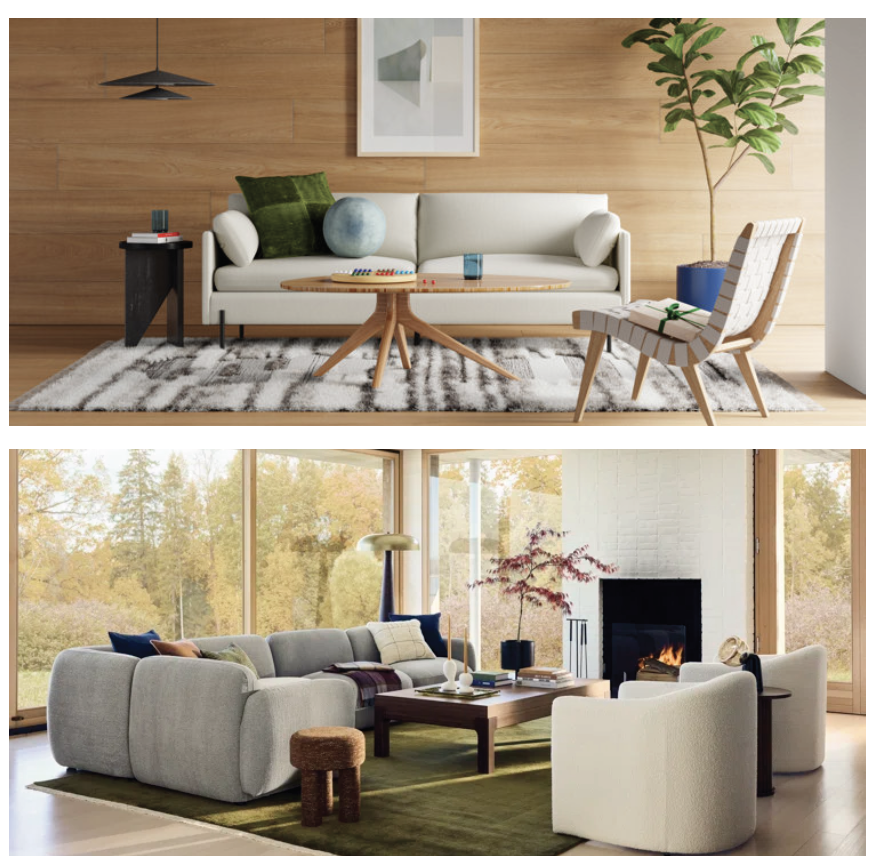
Hygge lives in the senses. It’s the glow of a lamp at eye level, the scent of a candle warming the air, the weight of wool underfoot. Interiors that feel cozy aren’t accidental — they’re composed through layered lighting instead of overhead glare, tactile materials that invite pause, and small rituals designed into daily life. A tea station by the window. A bath that feels restorative, not rushed. These gestures don’t announce themselves, but they stay with you, turning ordinary moments into quiet sources of calm. Wayfair — What Is Hygge? A Guide to Cozy Design
How to make it your own: Design for how evenings feel, not how rooms photograph.
Some of our favorite things for coziness:
- Candle: Applewood Birch from Sydney Hale Co.
- Bath Salts: Serotonin Soak by Higher Dose
- Reading Lamp: Verner Panton Flowerpot Table Lamp by &Tradition
- Blanket: Oona Alpaca Throw by Fells Andes
- Tea: Soothing Chamomile from Stash
THE KITCHEN AS HEARTH
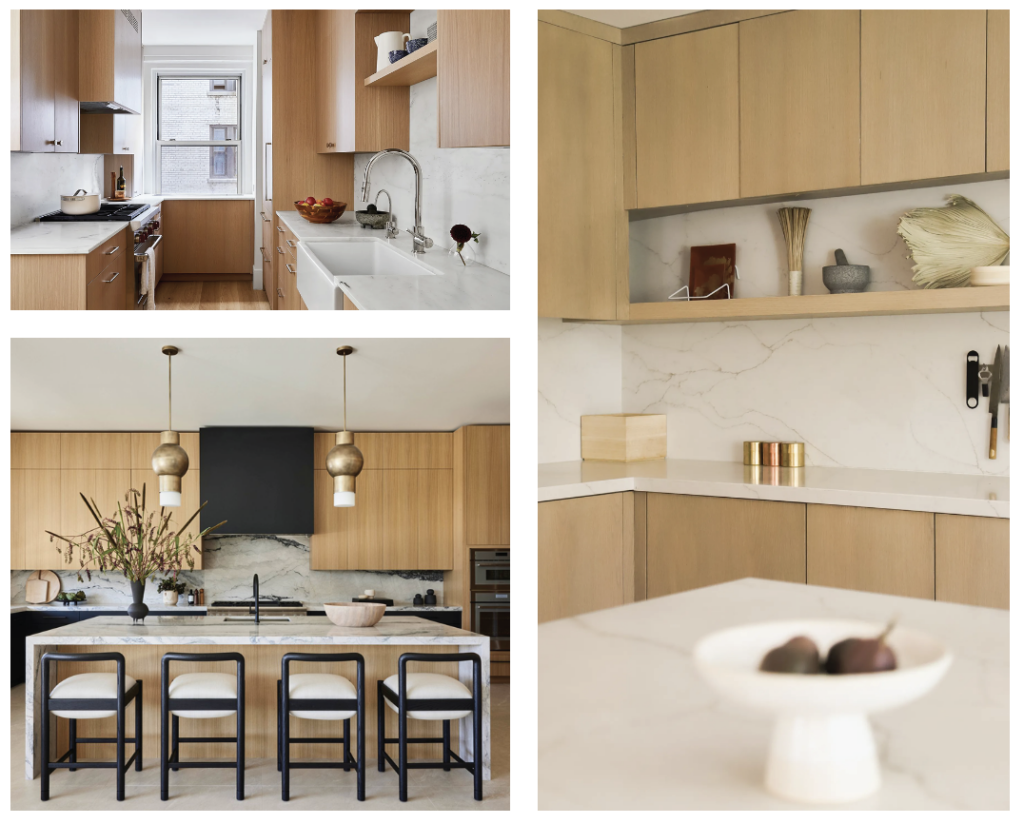
In Scandinavian homes, the kitchen is where warmth gathers. Pale woods, honed stone, and matte finishes create a calm backdrop for daily rituals, while open shelving and restrained cabinetry keep the space human and approachable. Light is diffuse and forgiving, layered to support early mornings and long evenings alike. What makes these kitchens feel hygge isn’t ornament, but intention — layouts that favor closeness over spectacle, materials chosen for how they age, and spaces designed to encourage lingering. In winter, the kitchen becomes the quiet center of gravity. Architectural Digest — Scandinavian Kitchens, Hygge at Its Finest
How to make it your own: Design kitchens for pause, not performance—where someone can lean, linger, and stay awhile.