What Matters
December 2025 Issue
Longest Nights
Here in December, we meet the longest nights this side of the Equator—the quiet hinge of our year. It’s a good month to turn down the dimmer, listen more closely, and make room for what restores. In this issue, we begin with a primer on designing for deep sleep, step into Berlin’s architecture of belonging after dark, and visit an observatory in Takapō that treats darkness as a material. We then highlight the primary bedroom at our A Stone’s Throw Away—reconsidered so meditation, reading, and rest have a clear, calm stage. Wherever this season finds you, we wish you warmth, ease, and good company—and a little extra room for reflection as the year draws to a close.
DESIGNING FOR DEEP NIGHT
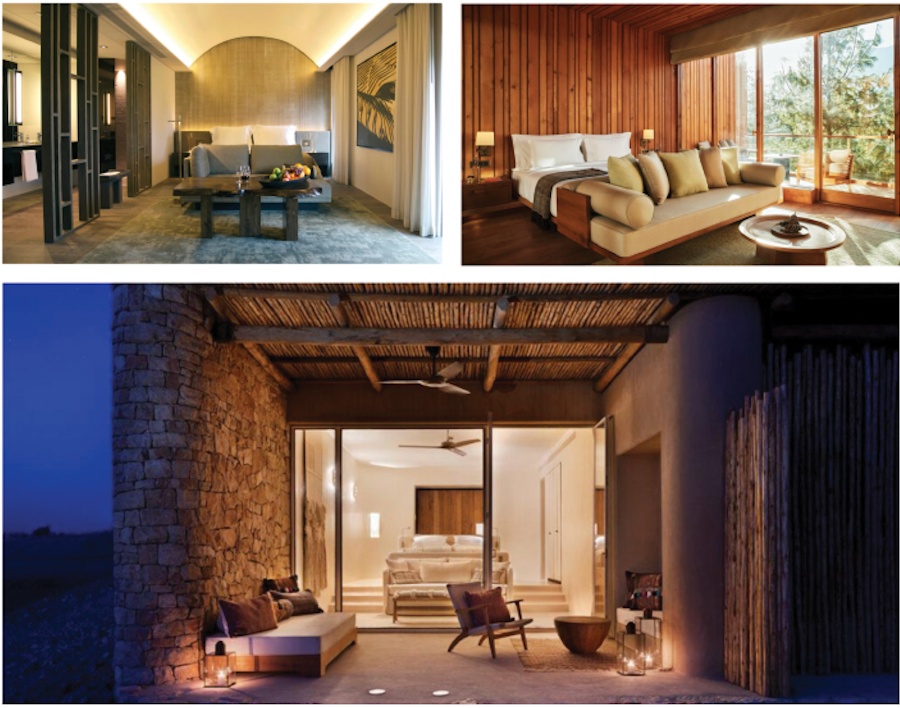
Sleep isn’t an add-on; it’s something you build around. Circadian-aware lighting lets interiors stage dusk and dawn on cue—warmer, lower light as evening deepens; cooler, brighter light on waking; layers that shift spectrum and intensity without fuss. Hotels are turning this into a design language—tunable fixtures, blackout hierarchy, glare discipline, and controls that don’t fight the wind-down ritual. Brands from Six Senses to Zedwell treat rhythm, spectrum, and darkness as materials, proving that a room can lead the body gently into night. At home, borrow the playbook: dimmable low-CCT lamps in living/bedroom, shielded paths to bath/kitchen, and gentle wake lights. Darkness becomes a feature, not a void—and morning lands softer because the room carried you there.
HOUSE RULES
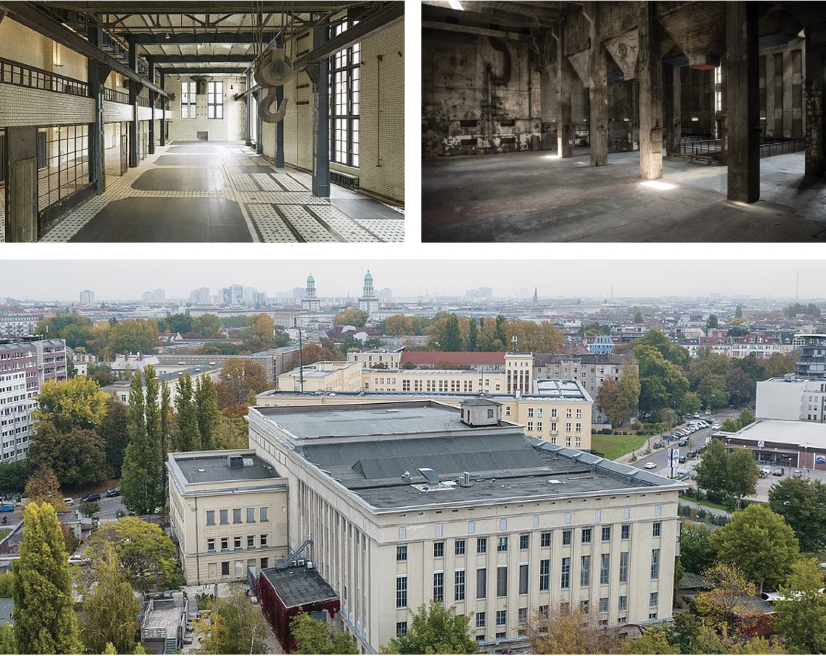
How do we design for belonging, for ritual, for the moment a room “takes over”? Berlin’s clubs offer a case study: reused power plants and warehouses become choreographed sequences—antechambers that slow the pulse, compression before release, spines that bend sound and shadow so the crowd moves as one. Materials read like stagecraft (concrete, steel, fog, LEDs), and thresholds act as editors, deciding what you sense and when. Privacy and presence negotiate at every turn; circulation is social glue. The architecture isn’t a backdrop—it’s the host, the bouncer, the beat-keeper. That’s the transferable lesson: design spaces that script arrival, heighten anticipation, and reward immersion. Explore the scene with Noel Nicolaus on domus.it
WHERE DARKNESS IS THE MATERIAL
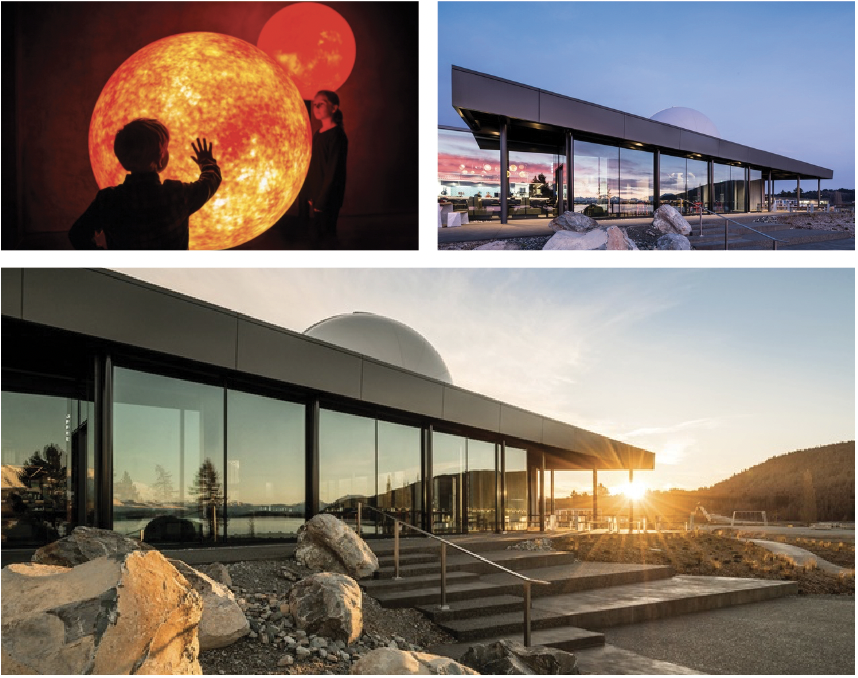
Dark Sky Project (Rehua), Takapō, New Zealand—an astronomy observatory and visitor center—treats darkness as a design finish. Curved, fluted concrete walls edit stray glare and echo glacial landforms; a hovering black lattice roof reads like a star map; warm, shielded reveals create a luminance hierarchy that guides you at the edge of perception. Detailing, reflectance, and aperture control do the heavy lifting so eyes adapt—and the Milky Way becomes the hero. Co-designed with Ngāi Tahu partners and set within an International Dark Sky Reserve, it’s a case study in using form, texture, and controlled brightness ratios to let architecture hold the sky. Read more about the project in Architecture Now.
PROJECT SPOTLIGHT: A STONE’S THROW AWAY (PRIMARY BEDROOM)
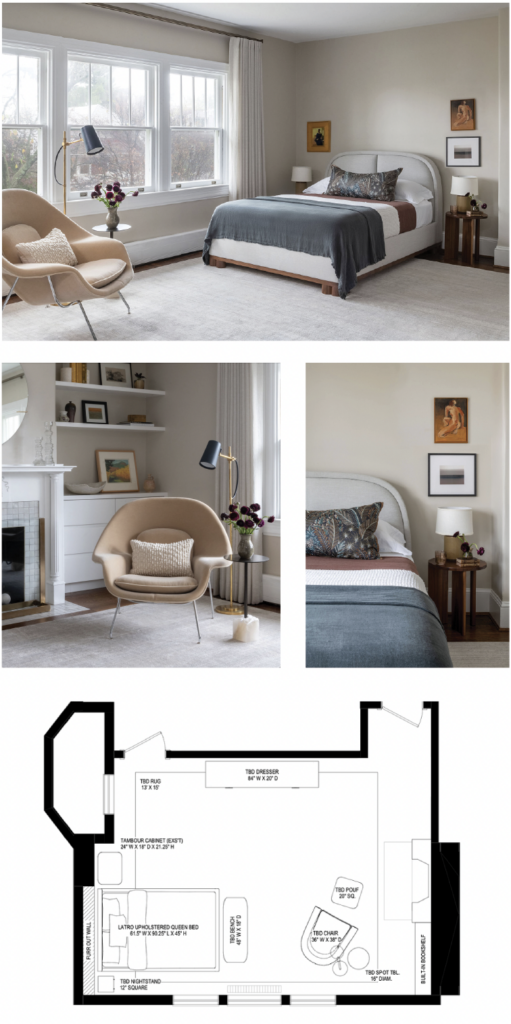
A historic DC home becomes a sanctuary for the end of the day. Our client—recently retired and constantly in motion—asked for a room that would lower the pulse and hold evening rituals. We reassessed the obvious bed wall and moved the bed to the far end, clearing a broad expanse before the original fireplace for meditation and yoga. On the longest nights, the space reads as quiet intention: soft, warm neutrals, low-luminance layers, and textures that absorb glare rather than chase it.
Consider the ensemble: a Womb chair that gathers the reader; an upholstered Dmitriy & Co. bed; a custom hand-knotted wool rug by Eliko that steadies footfall; solid walnut night tables topped with Stone & Sawyer ceramic lamps; and full-height custom drapery that edits daylight and softens acoustics. Nothing shouts. Materials, proportion, and light do the work, so sleep, breath, and stillness have room to arrive.