What Matters
March 2026 Issue
Room for Pause
March feels like an appropriate moment for a small retreat. Not the plane-ticket variety, but the quieter, more attainable kind — a temporary refuge from headlines, group chats, and the general low-grade suspense of modern life. If you’ve recently felt the urge to dim the mental lighting and hide briefly from the impending AI takeover, you’ve opened the right newsletter.
In this issue, we explore spaces designed for exactly that instinct: rooms for stillness, corners for calm, interiors that lower the pulse. We look at meditation rooms (realistically), the rise of wellness-focused spaces at home, the quiet power of imperfect materials, and design strategies that make serenity feel less like an aspiration and more like a daily condition. We also revisit our project Baywatch, a Chesapeake Bay retreat where balance, light, and atmosphere quietly shape the experience of escape.
ROOM FOR PAUSE
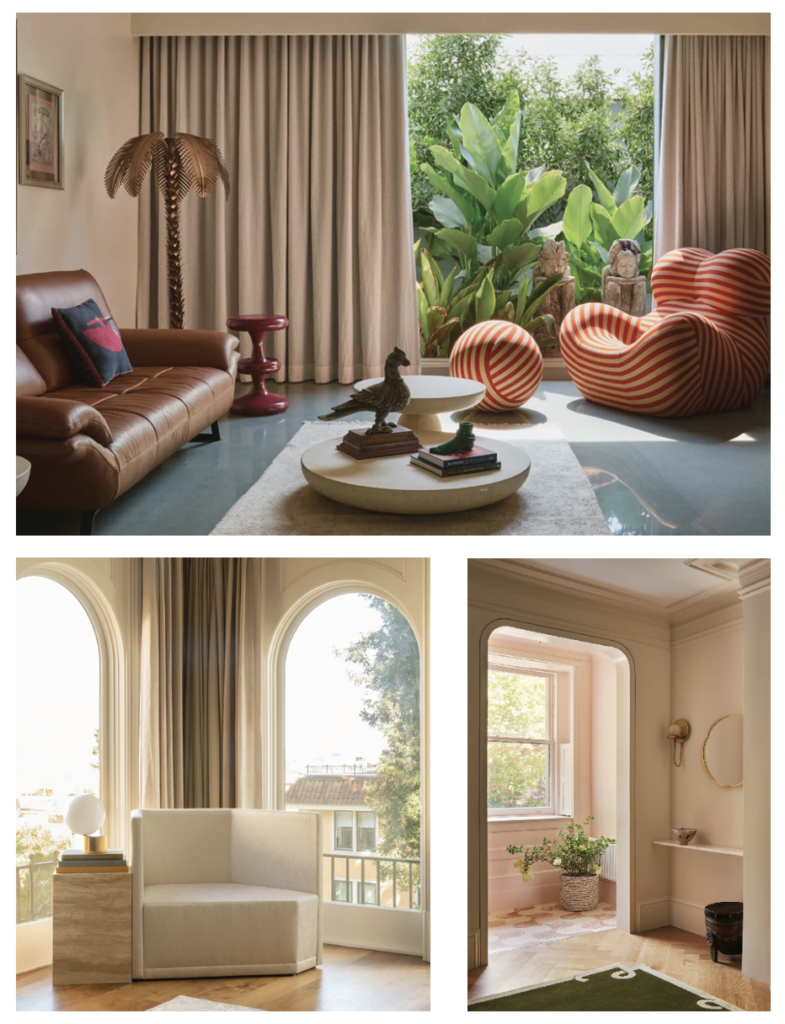
The idea of a meditation room often conjures images of vast, minimalist sanctuaries, but as Livingetc wisely points out, tranquility rarely requires an entire spare wing. Calm can be carved from far smaller gestures: a corner softened by filtered light, a chair placed with intention, textures that quiet rather than stimulate. The success of these spaces lies less in square footage than in atmosphere — materials, light, and sensory restraint working together to lower the mental volume of daily life.
What distinguishes a truly restorative space is not decoration, but permission. Rooms designed for stillness allow the eye to rest and the body to settle, often through muted palettes, natural materials, and lighting that feels diffused rather than declared. The lesson is reassuring: peace is a design decision, not a luxury upgrade. Livingetc — Meditation Room Ideas
How to make it your own: Start by editing visual noise — fewer objects, softer contrasts, and light that doesn’t compete for attention.
PEACE, PLEASE
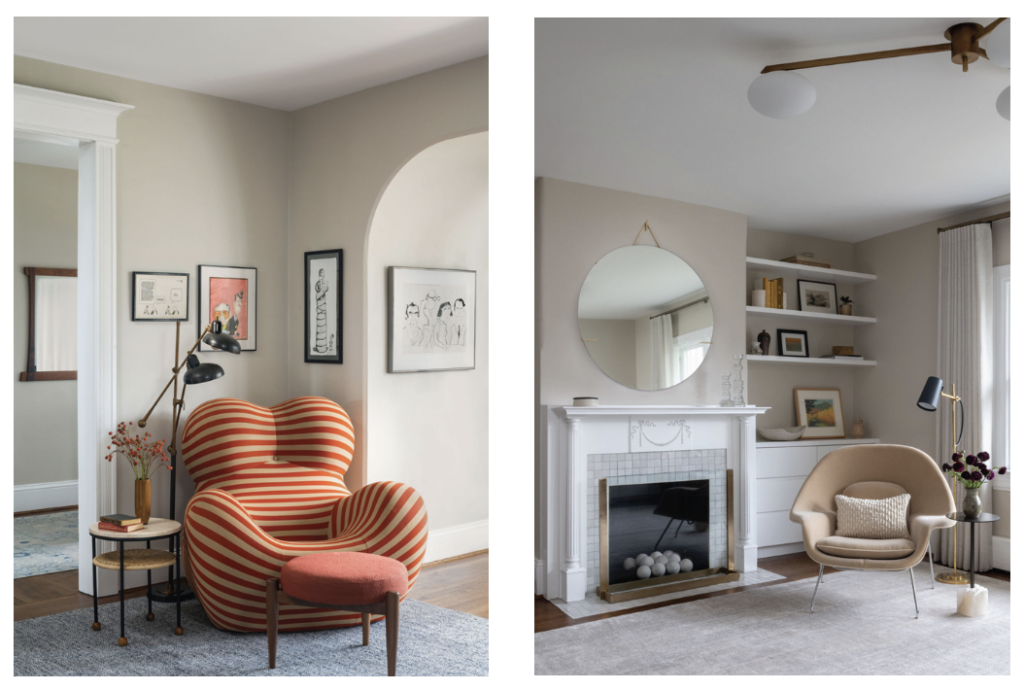
Homes are quietly evolving. As noted by the Associated Press, dedicated spaces for mental and physical restoration — meditation rooms, Zen gardens, quiet nooks — are no longer fringe indulgences, but reflections of how people want to live. These environments acknowledge something deeply human: that calm, like comfort, must often be intentionally supported by the spaces we inhabit.
Rather than signaling extravagance, wellness spaces increasingly emphasize simplicity and emotional utility. They prioritize decompression over display, often relying on natural textures, softened light, and layouts that invite pause. The trend speaks to a broader cultural shift — interiors designed not merely for appearance, but for how life feels inside them. AP News — Wellness Rooms in the Home
How to make it your own: Consider where calm already wants to happen — a window seat, a spare corner, a bedroom niche — and reinforce that instinct.
THE SOFT INTERIOR
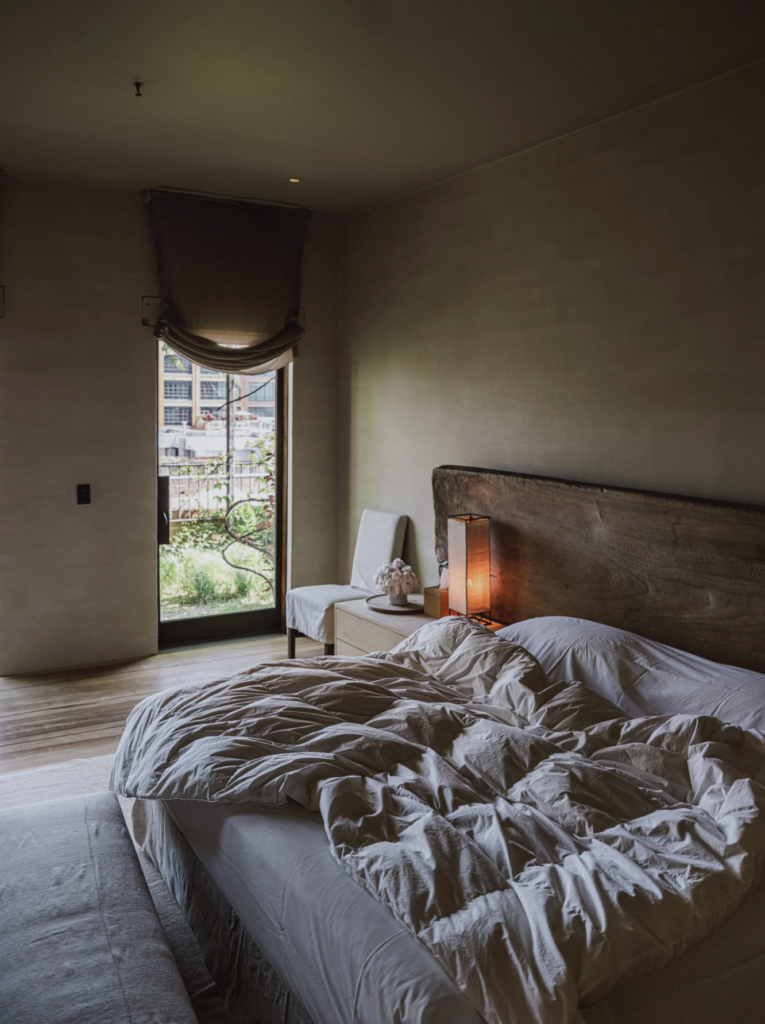
Perfectly polished interiors rarely feel peaceful. The enduring appeal of wabi-sabi design, recently explored by Livingetc, lies in its embrace of softness, natural materials, and quiet imperfection. Spaces shaped by this philosophy resist visual tension, favoring muted palettes, tactile finishes, and compositions that feel lived-in rather than staged.
In restful environments, balance often emerges from understatement. A slightly irregular ceramic, a textured linen, wood that reveals its grain — these elements create rooms that feel grounded and human. Serenity, it turns out, is less about precision and more about emotional temperature. Livingetc — Wabi-Sabi Bedroom Edit
How to make it your own: Introduce materials that age gracefully and textures that absorb light instead of reflecting it sharply.
WHEN ROOMS RELAX…
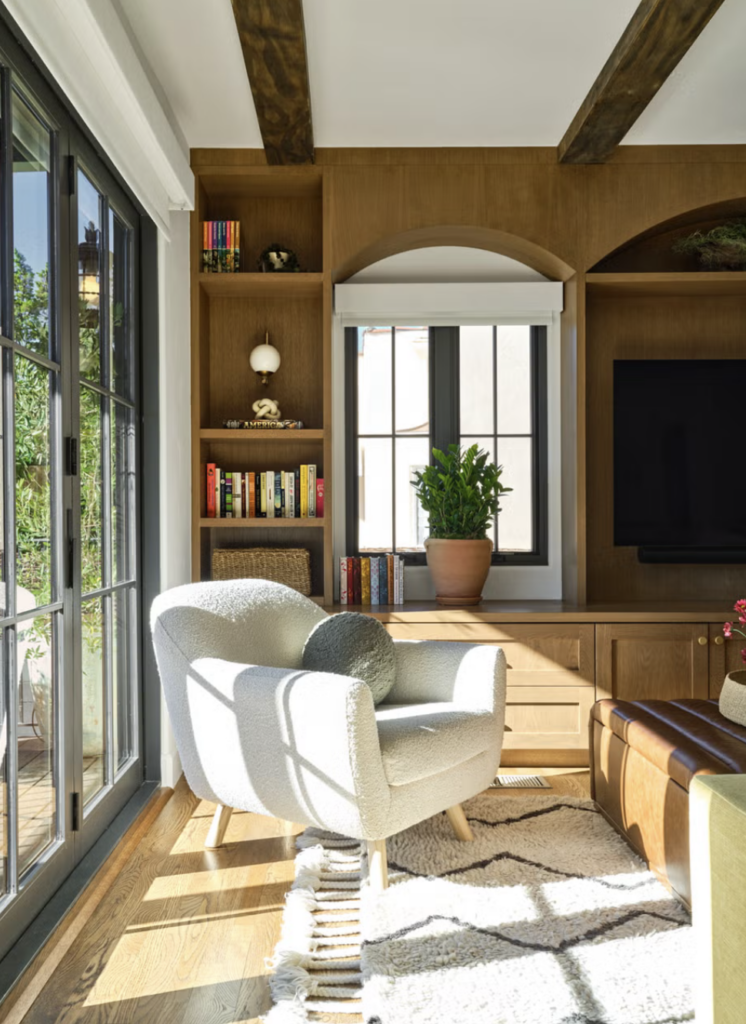
Calm interiors are rarely accidental. As designers tell House Beautiful, serenity is constructed through a careful interplay of palette, texture, light, and proportion. Muted tones reduce visual friction, layered lighting softens spatial transitions, and natural elements anchor the senses. The room doesn’t shout for attention; it holds it gently.
Balance in design is less about symmetry than equilibrium — nothing overwhelming, nothing competing unnecessarily. The most peaceful spaces feel coherent, where materials, light, and furnishings work in quiet agreement. Especially as winter yields to spring, these principles remind us that atmosphere remains one of design’s most powerful tools. House Beautiful — Creating Room Serenity
How to make it your own: Reduce contrast, layer light sources, and allow the eye clear resting points within the room.